Oklahoma Heat Roof Damage: What Summer Leaves Behind
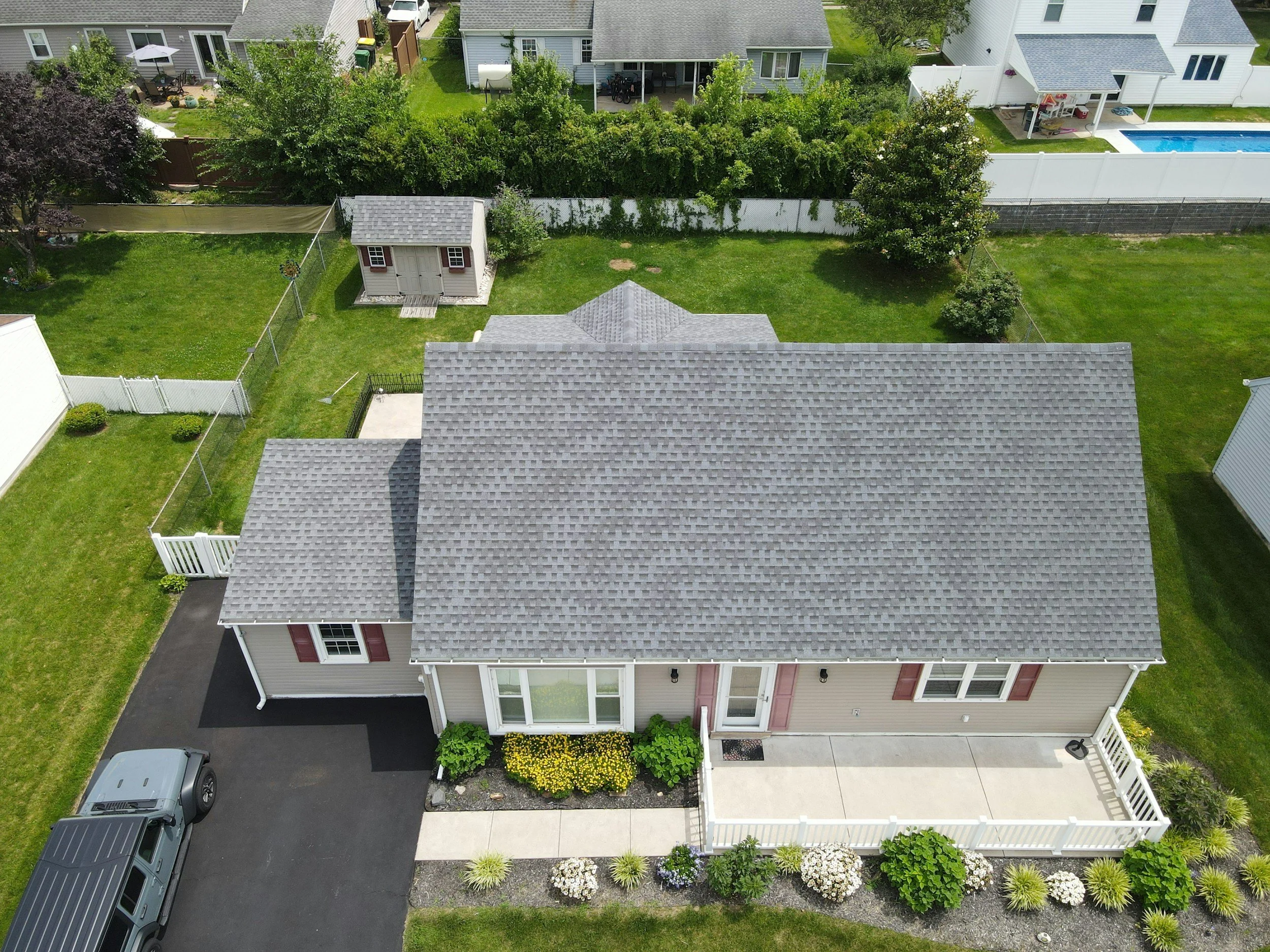
A finished asphalt shingle roof by Miller Roof & Exteriors. Oklahoma roofs spend months exposed to intense summer sun and heat, making quality materials and proper installation especially important.
Whew!! If you’re in Oklahoma right now, you are probably really excited about the upcoming Fall and Winter months. Since the sun has spent the last few months trying to cook everything in sight here, we thought we’d go over how the heat affects your roof. Here’s the crux of it: Prolonged heat and UV exposure can speed up the aging of asphalt shingles, and some Oklahoma heat roof damage isn’t easy to spot from your driveway.
After a summer like the one we are in, it makes sense to pay some attention to what all the heat may have left behind. Does that mean your roof is ruined? Does it mean that you should climb up there looking for trouble? Absolutely not! That’s what we’re here for. But it does mean understanding how summer affects a roof, knowing what you can safely watch for, and having someone take a closer look when something doesn’t seem right.
Can Oklahoma Heat Damage Your Roof?
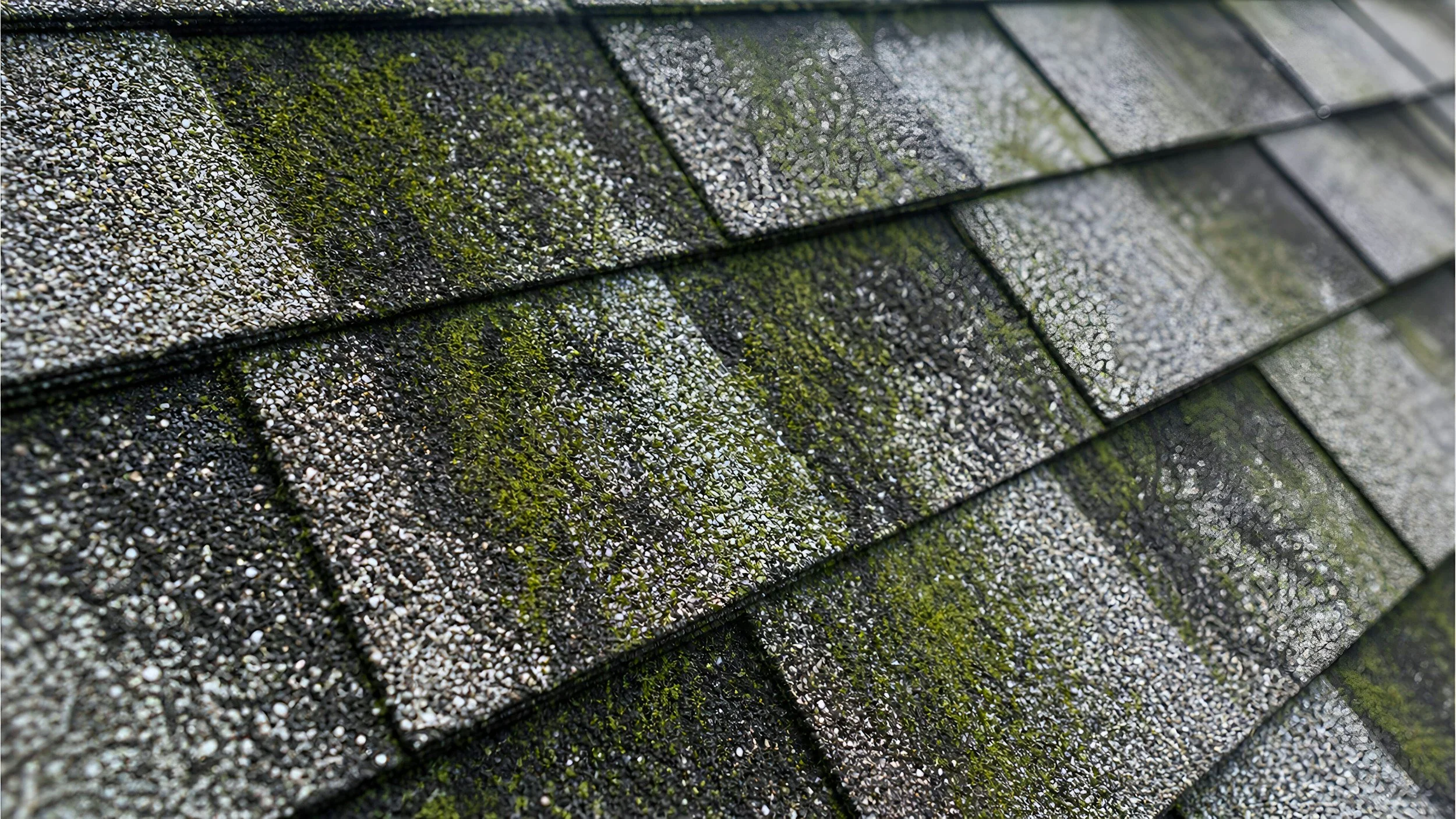
Heat, moisture, age, and weather can all leave their mark on asphalt shingles. Changes in your roof’s color, texture, or condition are worth keeping an eye on.
Yes, prolonged heat and sunlight can contribute to the gradual aging and deterioration of asphalt roofing materials. A roof is designed to live outside, of course, but that doesn’t mean years of Oklahoma summers have no effect on it.
The temperature you see on your weather app isn’t necessarily the temperature your roof experiences. The U.S. Department of Energy explains that a conventional roof can reach 150°F or higher on a sunny summer afternoon. Roof color, material, shade, and other conditions affect the exact temperature, but the point is simple: your shingles can be dealing with much more heat than you are down on the ground.
Then there’s the sun itself. Asphalt shingles contain protective granules that help shield the asphalt layer underneath from ultraviolet light. As a roof ages and loses more of those granules, the underlying material becomes more exposed to the elements.
One hot afternoon isn’t likely to be the thing that does your roof in. The bigger concern is what happens after years of exposure, especially on a roof that’s already getting older or has other problems working against it.
What Does Heat Damage on Shingles Look Like?
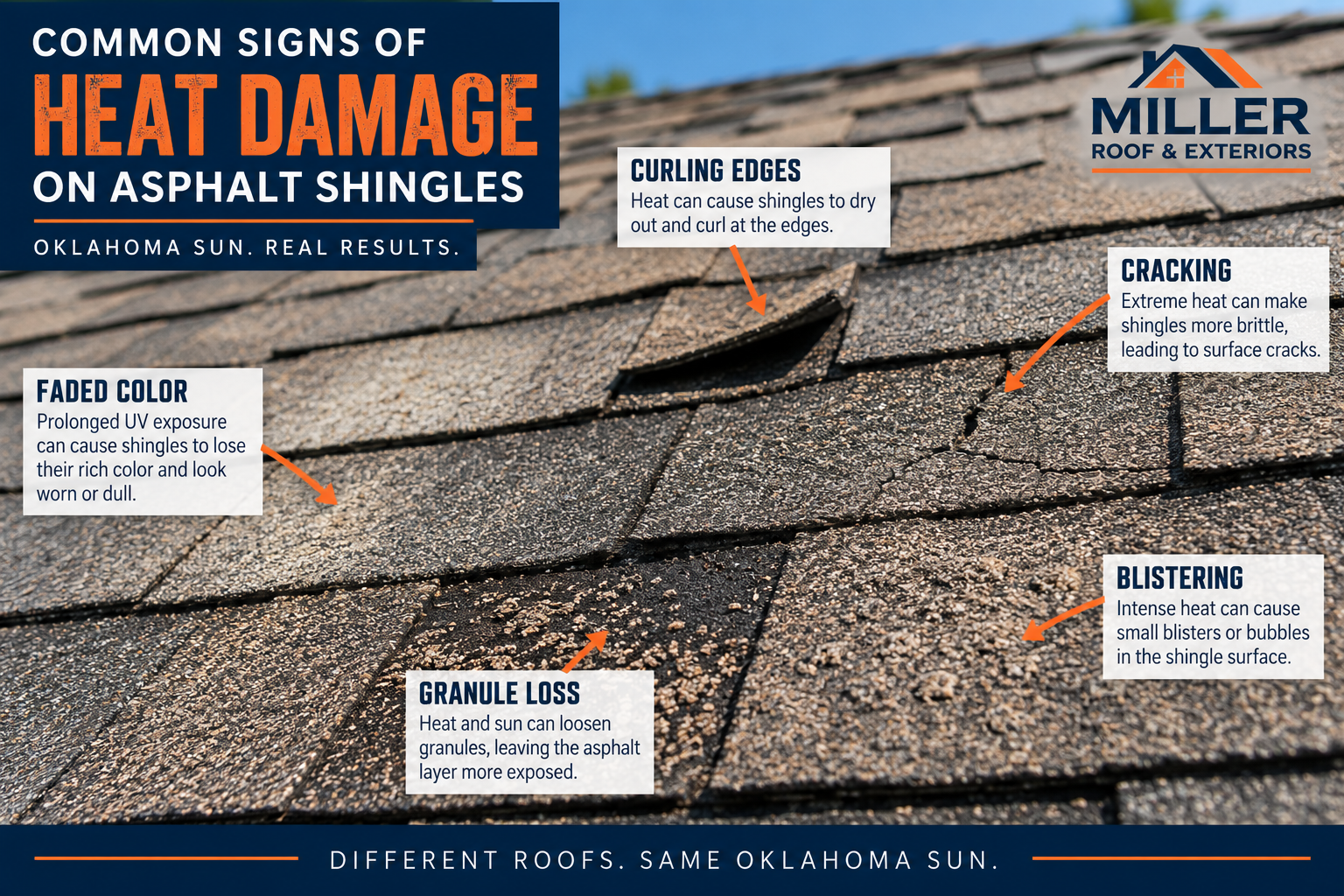
Oklahoma heat can take a toll over time. Curling, cracking, fading, granule loss, and blistering are some of the signs that may show up as asphalt shingles age through years of heat and sun exposure.
Heat-related wear can show up as cracking, curling, blistering, fading, or excessive granule loss, although those signs can have more than one cause. That’s an important distinction because a worn shingle doesn’t come with a little tag telling you exactly what happened to it.
Heat, age, manufacturing issues, poor ventilation, installation problems, and storm damage can sometimes leave behind similar-looking symptoms. That’s one reason we don’t recommend diagnosing a roof from a single photo or assuming every ugly shingle means the whole roof needs replacing.
There are still a few things homeowners can safely watch for from the ground. Look for areas of the roof that can seem noticeably different from the rest, shingle edges that appear lifted or curled, missing shingles after a storm, or obvious patches where the color or texture has changed. You may also notice an unusual amount of shingle granules collecting near downspouts or in areas where gutter water empties.
If something catches your eye, that’s where a professional roof inspection from Miller Roof & Exteriors can help. We’ll get up there so you don’t have to.
Can extreme heat make shingles crack or curl?
Heat can contribute to the aging process, leaving older asphalt shingles more brittle and more likely to crack or curl over time. The effect usually develops gradually, which is why summer roof damage can be harder to recognize than a missing shingle after a windstorm.
Your roof also goes through repeated heating and cooling cycles. During a sunny Oklahoma afternoon, roofing materials heat up and expand. As temperatures fall in the evening, those materials cool and contract. That process happens over and over again throughout the life of the roof.
Roofing materials are made to handle normal weather changes, so thermal cycling doesn't mean your shingles are falling apart every time the sun goes down. Over many years, though, repeated exposure can add to normal wear, especially if the shingles are already aging.
This is also where Oklahoma weather likes to keep things interesting. A roof in northeastern Oklahoma isn't dealing with heat alone. It may see high winds, hail, heavy rain, freezing temperatures, and plenty of sunshine during its lifetime. What looks like heat damage may be part of a bigger picture, and understanding that picture matters before anyone starts talking about repairs or replacement.
Why are granules coming off my shingles?
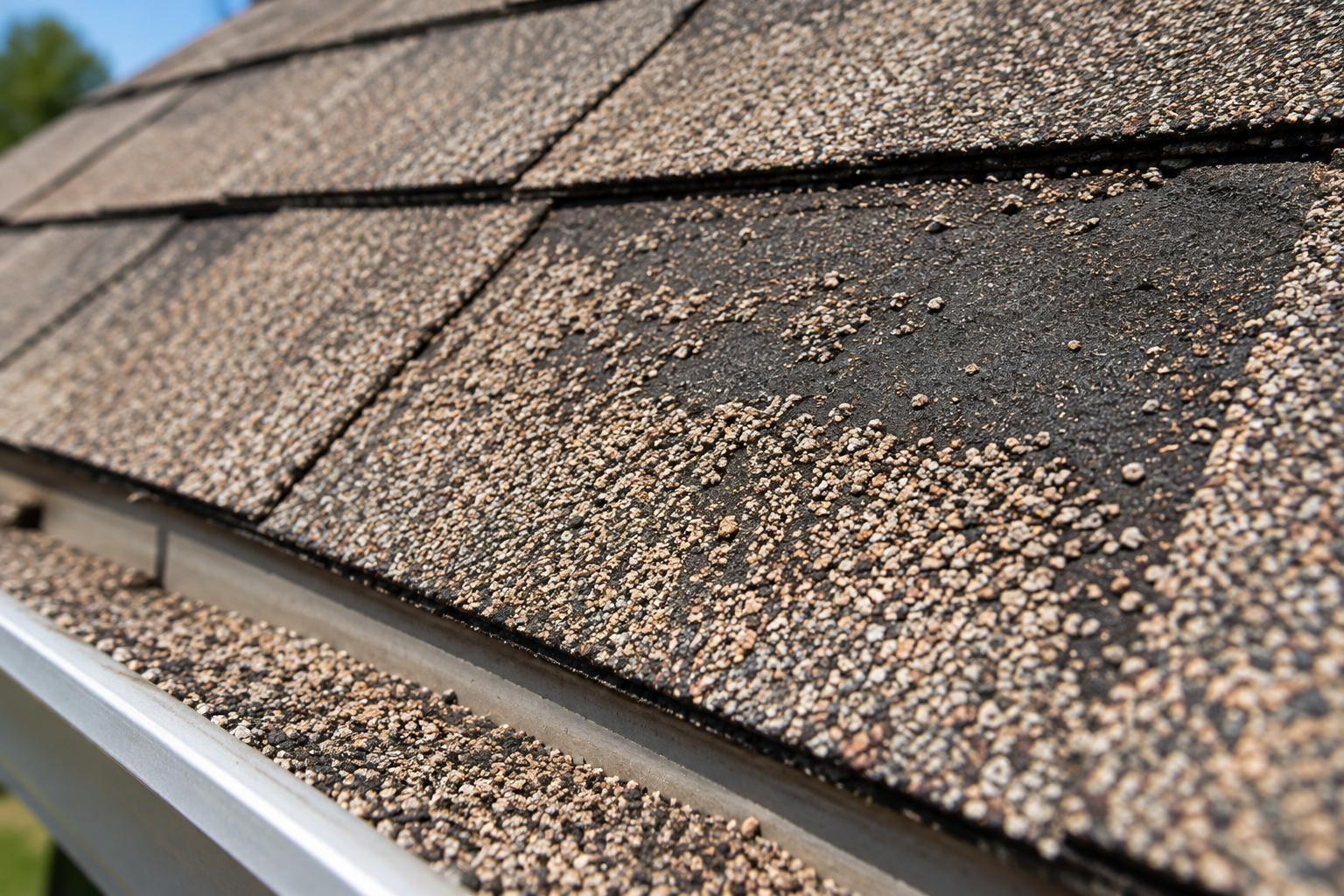
Granule loss can leave the asphalt underneath more exposed to UV rays and Oklahoma weather. Some loss is normal as shingles age, but bare or uneven patches are worth a closer look.
Some granule loss is normal, but excessive or uneven loss can leave asphalt shingles with less protection and may signal that the roof needs a closer look. Those little gritty pieces aren't there for decoration.
According to GAF's explanation of asphalt shingle granules, the mineral granules covering asphalt shingles serve several purposes, including protecting the asphalt from UV exposure. Some loose granules are expected, particularly with a newer roof, and shingles can continue losing granules gradually as they age.
What gets our attention is a significant change. If you're suddenly seeing piles of granules near your downspouts, noticeable bare patches on the roof, or areas that look dramatically different from surrounding shingles, it's worth finding out why.
Hail can knock granules loose, too, which is another reason not to automatically blame Oklahoma heat. A professional can look at the pattern of wear, the age and condition of the shingles, and the rest of the roofing system before telling you what may be happening.
Can a hot attic damage your roof?
An improperly ventilated attic can trap excessive heat and moisture, which can create problems for the roofing system and the rest of your home. Attic ventilation can't make an Oklahoma summer cool, but a properly designed system helps manage heat and moisture inside the attic space.
A good roofing system is more than the shingles you can see from the street. The roof deck, underlayment, intake and exhaust ventilation, flashing, and shingles all have jobs to do. If one part of that system isn't working correctly, problems can show up somewhere else.
The U.S. Department of Energy's guidance on whole-house ventilation explains the broader role ventilation plays in controlling moisture and indoor conditions. For roofs specifically, proper attic ventilation needs to provide a balanced path for outside air to enter and warmer air to escape.
That doesn't mean adding a bunch of vents is automatically the answer. Ventilation has to be designed correctly for the house. If your attic seems unusually hot, you've noticed moisture problems, or you're concerned about your roof's ventilation, it's better to have the system evaluated than to start cutting holes in the roof and hoping for the best.
Does summer heat shorten the life of a roof?
Years of high temperatures, UV exposure, and normal weathering can contribute to shingle aging, but heat alone doesn't determine how long an Oklahoma roof will last. Installation quality, roofing material, ventilation, maintenance, storm history, and roof age all matter.
You'll see plenty of general lifespan estimates for asphalt shingles online, but a warranty or estimated service life isn't a countdown clock. Two roofs installed in the same year can age differently depending on the materials used, how they were installed, and what they've been through since then.
That's especially relevant around Tulsa. Oklahoma roofs get asked to handle a lot over the years, and summer is only part of the story. A roof that has already taken hail or wind damage during one of our hot summers may behave differently than a newer roof in good condition.
This is why we would rather look at the roof in front of us than make a blanket statement based on its birthday. An older roof doesn't automatically need replacing, and a newer roof isn't automatically problem-free.
Should you have your roof inspected after summer?
An Oklahoma roof inspection after a particularly harsh season can catch developing problems before they become bigger ones. You don't necessarily need an inspection every time Tulsa gets a hot week, but the end of summer is a sensible time to pay attention to a roof that is older, has a history of storm damage, or is showing visible signs of wear.
It's also a useful time of year because colder weather is still ahead. Finding a loose shingle, deteriorated seal, damaged flashing, or another repairable problem now can be a whole lot nicer than discovering it because water found its way into your house later.
There are several things you can safely watch for without ever setting foot on a ladder:
Shingles that appear missing, lifted, cracked, or curled
Areas of the roof that suddenly look bare or discolored
Larger-than-usual amounts of granules near downspouts
Water stains or unexplained discoloration on ceilings or walls
Visible damage following a summer thunderstorm
Changes that simply weren't there the last time you looked
None of these automatically means you need a new roof. They mean there's enough going on to justify finding out what's happening.
And please don't climb onto your roof to get a better look. Walking on a roof carries a fall risk, and walking across hot or compromised roofing materials can create another problem while you're trying to find the first one.
Oklahoma summer is over. Your roof's job isn't.
The end of summer doesn't mean your roof gets the rest of the year off. Fall storms, colder nights, and eventually winter weather are next on the Oklahoma calendar, so now is a good time to make sure summer didn't leave behind a problem you'll deal with later.
If your shingles are in good shape, great. If there's a small repair that needs attention, catching it early may keep it small. And if your roof is getting toward the end of its useful life, knowing where things stand gives you time to make a plan instead of making decisions with water dripping through the ceiling.
That's really the point of an inspection. We're not looking for an excuse to tell every homeowner in Tulsa that they need a new roof. We're looking at what's there and telling you what we see.
Frequently Asked Questions
Can Oklahoma summer heat ruin a roof?
Oklahoma summer heat can contribute to roof aging, particularly after years of repeated heat and UV exposure, but one hot summer doesn't automatically ruin a properly installed roof in good condition. The age of the shingles, ventilation, previous storm damage, installation quality, and roofing materials all affect how a roof holds up.
How can I tell if my shingles have heat damage?
Heat-damaged or heavily weathered shingles may appear cracked, curled, blistered, or unusually bare where protective granules have been lost. Because heat, age, hail, and other roofing problems can produce similar symptoms, a professional inspection is the safest way to determine what you're seeing.
Should I get my roof inspected every fall in Oklahoma?
Not every Oklahoma home automatically needs a professional roof inspection every fall. An inspection makes more sense if your roof is older, your area experienced severe weather, you've noticed visible changes, or you don't know the roof's current condition and want to head into fall and winter with a better idea of where things stand.
How long do asphalt shingles last in Oklahoma?
No single lifespan applies to every Oklahoma asphalt-shingle roof. The type and quality of the shingles matter, but installation, ventilation, maintenance, storms, UV exposure, and years of Oklahoma temperature swings can all affect how quickly a particular roof ages.
Let Us Handle the Climbing
You don't need to climb up there and investigate it yourself. That's our job. If your roof has spent another Oklahoma summer taking the heat, Miller Roof & Exteriors can give it a closer look, explain what we're seeing in plain English, and help you figure out what, if anything, needs attention.
Your house has enough jobs waiting on you already. Leave this one to us. Contact Miller Roof & Exteriors to schedule a roof inspection in Tulsa or the surrounding area.